
How it Works
PiiMarket is an innovative platform that streamlines the process of marketing and placing professional indemnity insurance. It allows clients to submit renewal or new business proposals directly to the Lloyd’s and Company professional indemnity markets through a single, unified system. The platform’s primary goal is to deliver a more efficient, transparent, and accessible process for both clients and underwriters. Clients can market their submissions to the whole market without the need to instruct multiple brokers, while underwriters can review and filter inquiries in real time according to their specific underwriting criteria. By maintaining a centralised submission record, clients simply update their details annually rather than completing new forms at each renewal, improving speed, accuracy, and consistency across the market.

Many firms seeking a professional indemnity quotation currently access the market by contacting their local broker. Their local broker may only have access to a limited number of markets or may not be a professional indemnity specialist and will pass the submission on to one of the major brokers. If the risk is successfully placed, they will then split the commission payable by the insurer, which is generally around 20%. This scenario does not always produce the best results because the major broker may only be interested in placing the business if it is economically viable for them. This isn't always the case especially if they are dealing with a relatively small premium that generates a 10% commission and in these circumstances they will look to place the business with one of their schemes. Broker schemes often offer brokers larger commissions but they may not suit every firm's risk profile. Restrictive scheme risk parameters can also prevent firms from obtaining a quotation or the required coverage.
Additionally, some brokers prefer specific insurers for placing business to maintain a high hit ratio and prevent the market from being flooded with the same submission. If insurers receive the same submission from multiple brokers or if they believe it has been sent to all participating insurers, they may not give it the attention they would give a submission on which they are more likely to obtain an order.
Lastly not even the major brokers or professional indemnity insurance specialist brokers have access to all insurers in the market.
Direct access to all submissions
PiiMarket bypasses these inefficiencies by allowing insurers direct access to all submissions made to the platform. Insurers simply select submissions that fit their risk parameters and business appetite, rather than relying on brokers to determine what their appetite might be which could be outdated or unavailable in real time.
Review all year, renew with ease
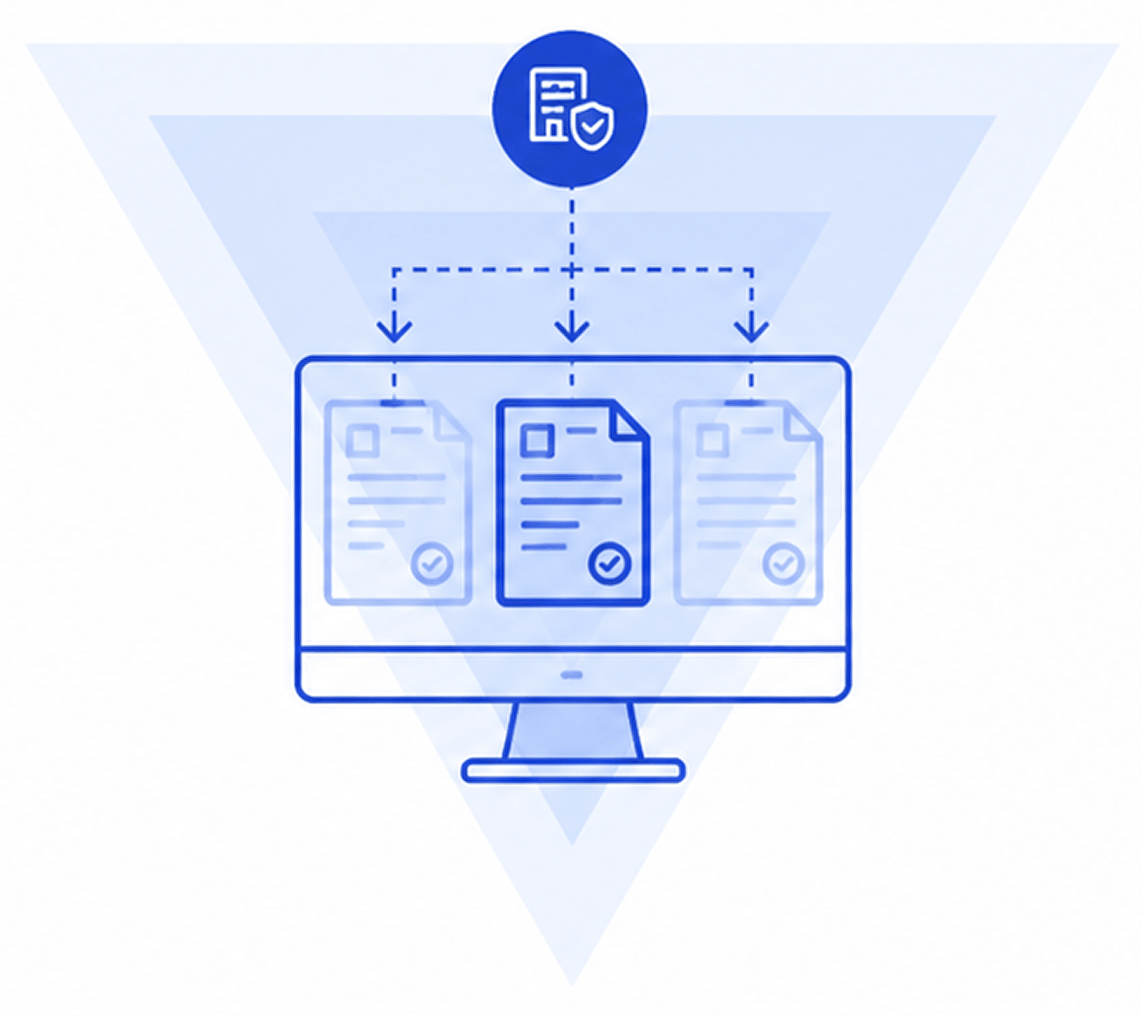
Once your submission is entered into the platform underwriters can review it throughout the policy year rather than just before the policy expiry date which is often the case. It can also negate the requirement for completing proposal forms at the renewal date as all historical information is maintained for underwriter review, and in some circumstances, it will require just a few updates to obtain a formal renewal offer.